

Mexico Makes More Sense When You Live It
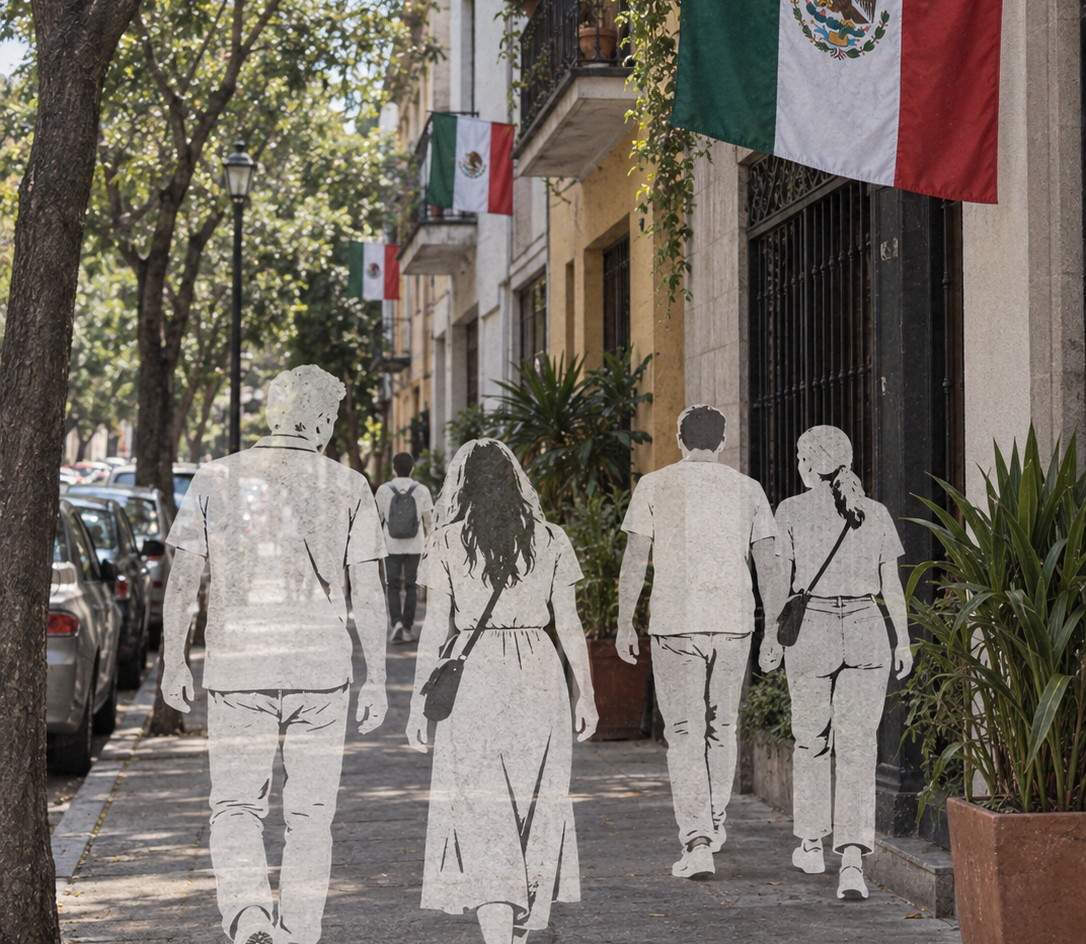
September in Mexico is full of symbols: flags in windows, familiar songs on the street, colors everywhere, and the collective energy of celebration.
But beyond the ceremonies, this season also invites you to notice the Mexico that doesn’t need a special occasion to exist: the one found in shared meals, spontaneous greetings, unhurried conversations, and the small cultural codes that make this destination feel like home.
Mexico is better understood when you live it. Vallarta is, too.
It is not enough to know the postcard with beautiful sunsets, save restaurants to a map, or choose a property for its ocean view. To live somewhere is to learn its rhythms, the unwritten rules, and the everyday scenes that never make it into a listing, yet ultimately define what it feels like to call a place yours.
A Table That Lingers

Facades, Conversations, Codes
It is lived in bougainvillea that refuses to respect property lines, yet makes every building’s façade better.
It spills over walls, gates, sidewalks, and balconies as if it were always part of the original design. Sometimes it was intentional; other times, it simply chose to add a pop of color to a corner. Against the backdrop of mountains’ greenery, bright coastal light, and summer rains, Vallarta reminds us that nature is more than just scenery.

You hear it in conversations that begin in Spanish, switch to English, and end up somewhere in the middle, all with plenty of laughter.
This mix isn’t a staged scene for tourists. It’s just daily life—at a café, the market, a building’s front desk, sharing a meal with friends, or walking down the street. Living in Vallarta means moving between different accents, stories, and traditions. Being a Pata Salada isn’t about where you were born, but about taking part in the life of the city.
You also experience it by learning the city’s unofficial time zone: ahorita.
Ahorita might mean five minutes, when this conversation ends, tomorrow, or if you’re lucky and patient, five working days. It’s not really about being unclear; it’s just a different way of thinking about time, best handled with patience and a sense of humor.
Summer Is Vallarta, Too
It is lived in discovering that low season comes with quieter beaches, available tables, and 90% humidity.
Between June and October, Puerto Vallarta enters its rainy season. Days are warm, with afternoon showers or storms, and the plants turn a vibrant green. The rain usually comes in short bursts, so there is still plenty of time for walks, meals, work, and relaxing by the bay.
Yes, there are days when your hair develops its own agenda and stepping out of air conditioning requires commitment. Still, you get clear mornings, a less crowded city, and the rare luxury of having more time and space to take it all in.
The low season is not a lesser version of Vallarta. It is simply Vallarta at a different pace: wetter, greener, quieter, and, for those who know it, very rewarding.

Learning to Pause
It is lived in sunsets that stop conversations, traffic, and to-do lists for a few minutes.
At the end of the day, someone always points to the sky. Tables turn toward the water, a walk takes longer than planned, and the ocean stops being a permanent backdrop and becomes the plan again. No matter how many times you have seen it, the bay still asks for a pause.
Perhaps that is the difference between visiting and living somewhere. Visiting means arriving with a list. Living means learning what is worth putting it aside for.
This September, we celebrate Mexico not only through its symbols, but through the everyday details that give those symbols meaning: a table that lingers, a neighbor’s provecho, bougainvillea over a wall, a conversation that crosses languages, and the patience required to understand ahorita.
Mexico and Vallarta are meant to be lived—through rain, sun, humor, hospitality, and the small shared agreements that make up a life. A property may open the door. What happens around it is what eventually makes it home.